
USSR Lost to China
Same starting point. Completely different understanding of time.
Two Ways to Build a Future
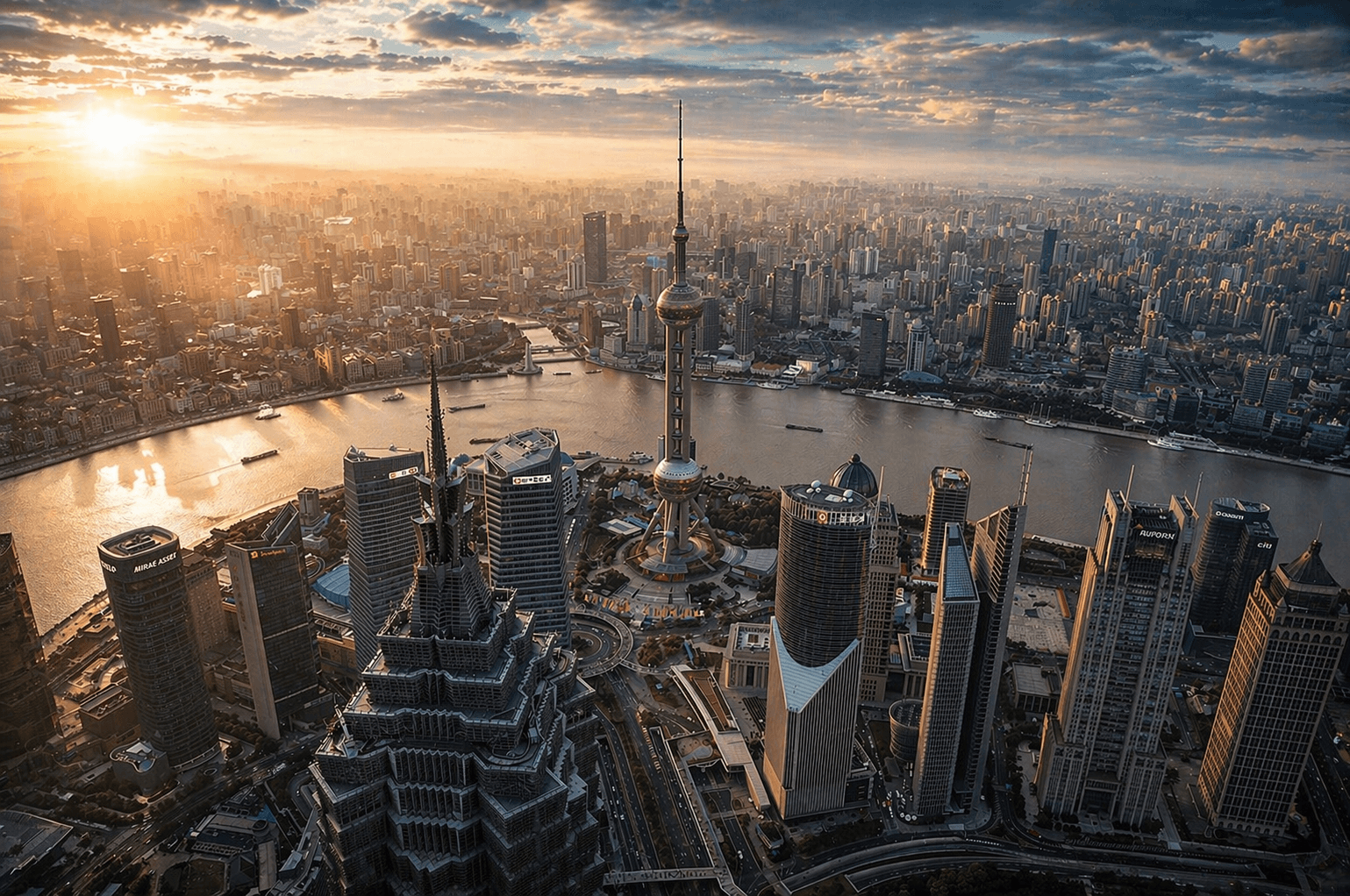
There are no buildings in Pudong older than thirty-five years. That's not because the area is young, it existed as farmland for a thousand years before anyone thought to build there. It's because everything that went up here eventually came down for whatever came next. The Oriental Pearl Tower looked, in 1994, like the final word on what modern Shanghai should be. Twenty years later it read as something closer to an artifact, boxed in by towers that had arrived specifically to replace it.
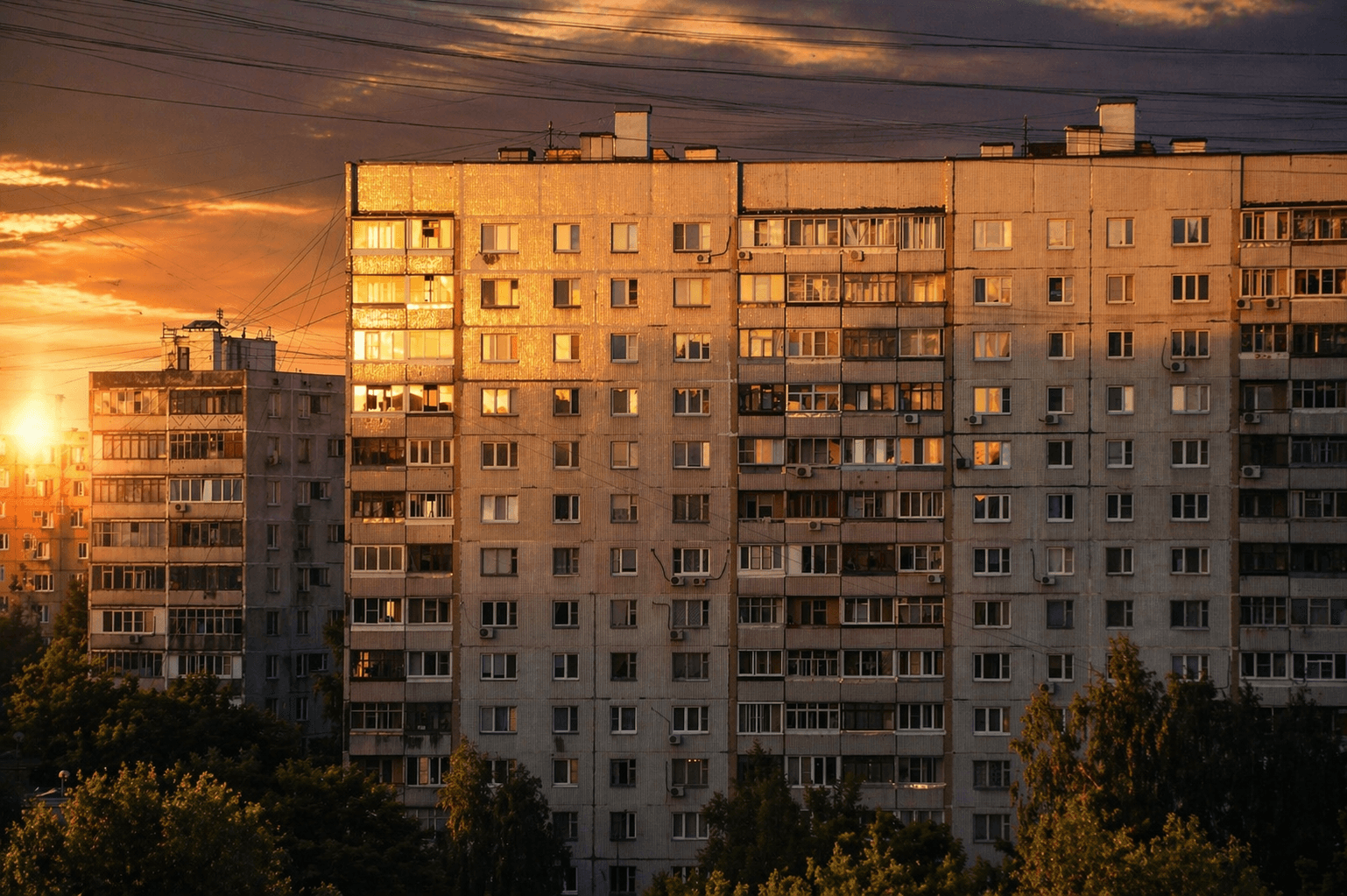
Tolyatti went up across roughly the same postwar decades, and everything there still stands exactly where it was placed. The city came out of nothing in 1966, built around one factory, AvtoVAZ, and one specific idea of what a worker's life should look like. Three residential districts, wide avenues, identical spacing between the buildings. Green buffers measured out by code. The master plan got approved and then it got built, and it hasn't really changed since, because changing was never part of the plan.
This is not a difference in construction speed. It's two separate answers to a much older question: what a city is actually for.
It's also the reason the Soviet city resists the Atlas Aura method more than almost anywhere else I've applied it. The method reads cities through operations, how a place accumulated layers, where it was interrupted, what got removed and what got reused. Most European urban fabric carries the residue of these operations right there in its geometry. A street that bends for no obvious reason is bending around something, a property line, a wall that isn't there anymore. In Tolyatti the street doesn't bend. It runs where it was told to run, at whatever width it was assigned. There's nothing accumulated here, not because time wiped it away, but because the city showed up already finished. Really only one operation is legible in the whole place, something that zeroed out everything that came before it and left no room for whatever might come after.
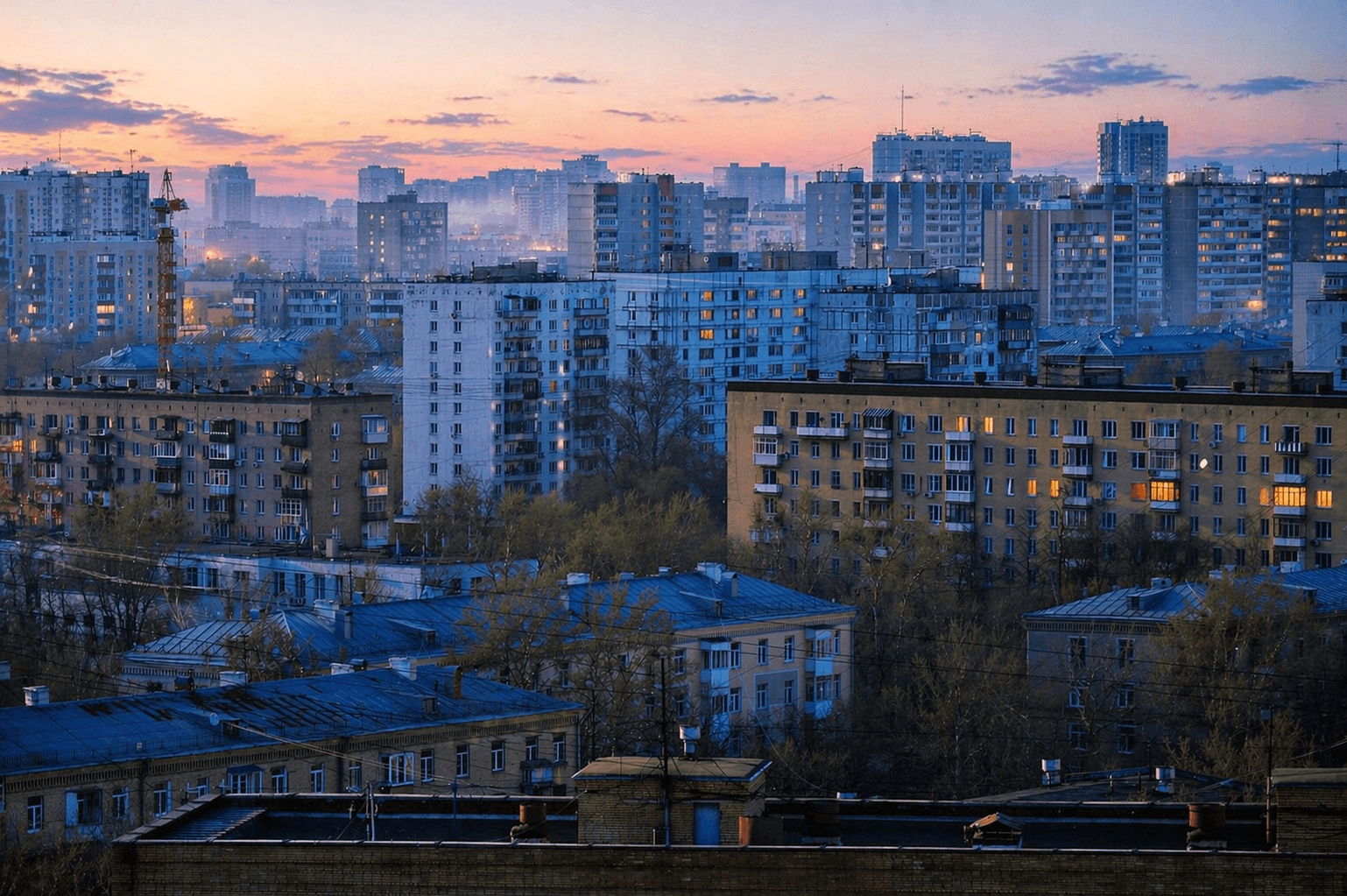
Soviet planning worked from its own idea of time. The future had already been designed. The job of the present was to execute it correctly, and the job of every generation after that was to live inside what they'd been handed as a finished answer. Nobody expected revision. This was meant as a final draft, not a working one.

China started from something close to the same logic, and for a while the early decades genuinely do read like a page out of the Soviet playbook. Wide avenues, blocks that repeat. Administrative geometry that checks out on paper. This isn't just a resemblance, either. Soviet planners actually worked on early Chinese cities, specialists arriving from 1949 onward, writing the national standards, translating the textbooks. It was the same language, literally.
Then something happened that the Soviet model never accounted for. The city was allowed to change its mind.
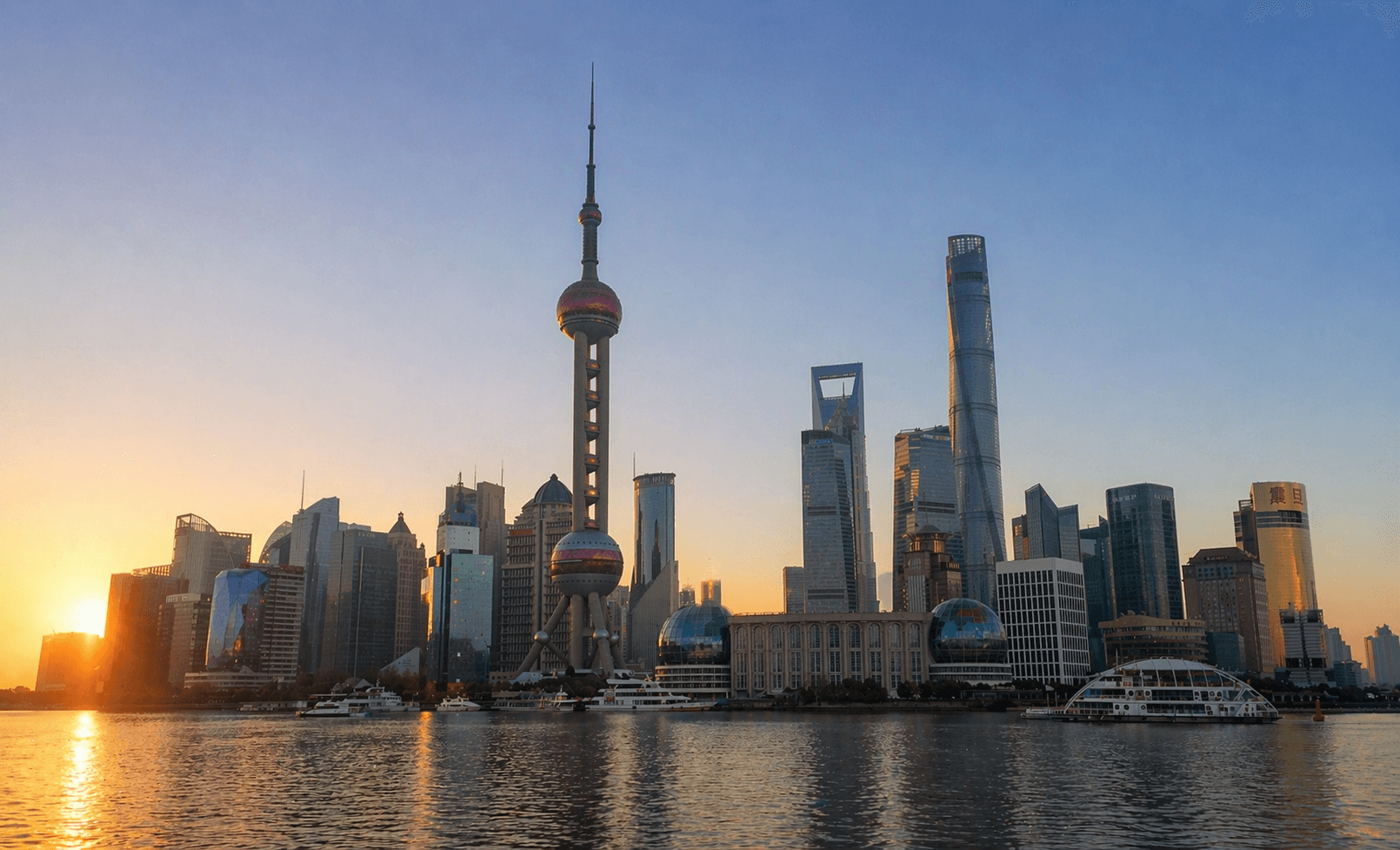
Pudong in 1990 was fields and a handful of villages across the river from the old colonial Bund. By the mid-nineties it had the Oriental Pearl Tower. By 2010, the Shanghai World Financial Center. By 2015, Shanghai Tower, a third generation of skyscraper on ground where the previous generation had looked, at the time, completely permanent. Call it less growth than rewriting. Demolition and construction aren't symptoms of crisis here. They're just the baseline condition.
Try walking through Pudong and applying the layering operation, try to find what's underneath the current surface, and it won't resolve. There's plenty down there, it simply got replaced too fast to harden into history. Call it layering running at the wrong speed, each version canceling the one before it before that one ever had the chance to become the past.
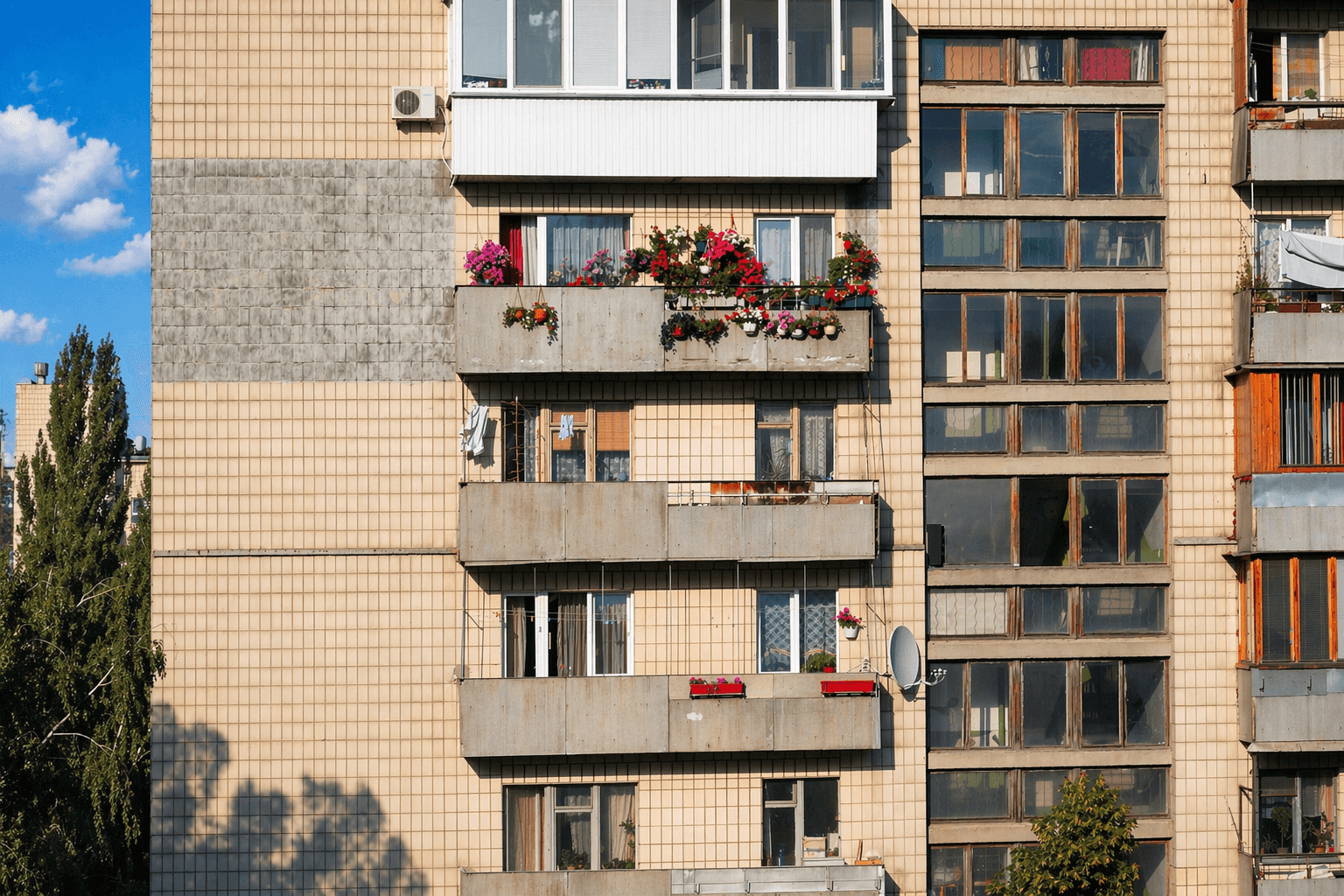
The difference isn't just conceptual, it shows up physically. Walk through Tolyatti's Avtozavodsky district and the space presses on you with its own certainty, it knows exactly what it is and doesn't invite any doubt about that. Pudong presses differently: incompleteness as a permanent state. You'll stand next to a glass tower that still looks new and already see the construction lights for whatever's replacing it. A city that hasn't figured out how to stop.
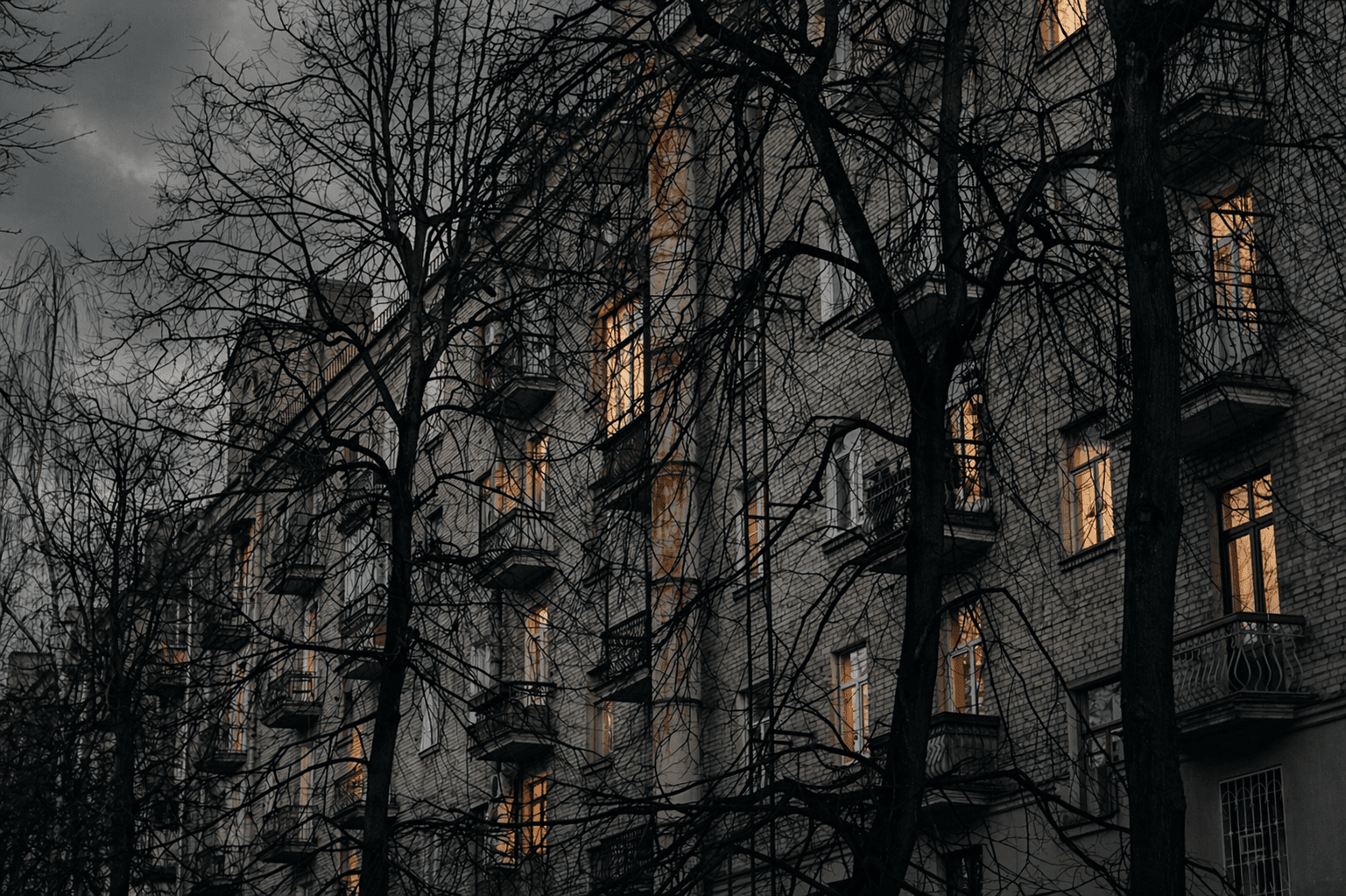
There's an uncomfortable point that usually gets skipped. The Soviet city really was built for people, and that wasn't just ideology, it was an actual working program. Housing for everyone, walkable infrastructure. Courtyards without fences around them. In a certain sense it worked, if fairness means everyone getting equal access to the same thing. But the space couldn't move with the people living inside it. It got fitted to one specific image of life, fixed at the moment somebody designed it, and when life started moving differently the space just stayed where it was.
The Chinese city, on the other hand, was built for people who didn't exist yet rather than the ones who did. Whole neighborhoods demolished, residents forced to resettle, reconstruction that never really stopped, and all of it cost the people actually living there something real. That cost falls squarely inside the operation itself. The adaptability everyone admires in Pudong was paid for by specific people who happened to live in whatever got marked for demolition.
Both systems left traces you can still read in the geometry, if you know where to look. Tolyatti's trace is in how the space stands: certain, unmoving, like a sentence someone wrote once and never touched again. Pudong's trace is in how the space moves, cranes always somewhere on the horizon, facades from four different decades pressed up against each other, an old pagoda with an active construction site right behind it.
Atlas Aura was never a method for pretty cities. It's a method for cities that decided something. The Soviet city decided the future was already known. The Chinese one decided the future hadn't arrived yet.
The difference between them is close to the difference between a manuscript typed as a final copy and one where the next draft is still open on the desk. The first one might read better. Only the second one can hold a word that didn't exist yet when the writing started.
Comments
About Me

The Atlas Aura
Welcome to The Atlas Aura – I’m Antares, the storyteller behind the journey. Alongside my husband and our little son, we explore the world together, turning everyday moments into lasting memories. With a deep passion for uncovering hidden corners of the world, we craft cinematic travel experiences that blend culture, authenticity, and wonder.
Read More
World War II advertising posters on display at the Museum of the Second World War in Gdańsk.
Update on 7 Jun 2025

Tallinn Maritime Museum: Sailing Through Estonia's Living History
Update on 1 Jun 2025
Domes, Democracy, and a Dash of Awe: Visiting Hungary’s Parliament with My Family.
Update on 4 Jun 2025