
The Two Faces of Germany: A Country Hiding Its True Self in Plain Sight
There are countries that reveal themselves immediately, generously, almost impatiently.
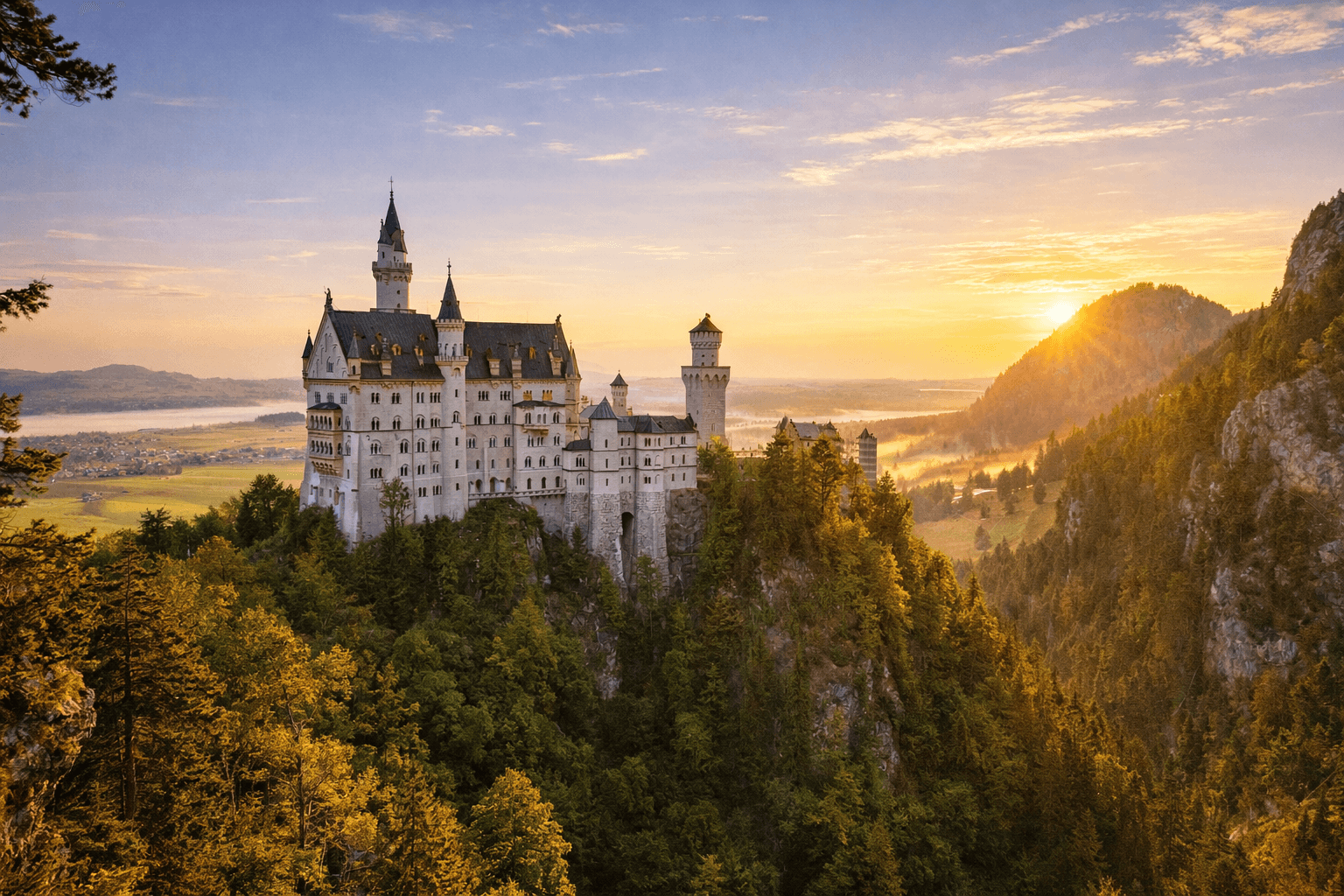
Germany hands you the wrong city first, and it does it every time.
Berlin, Munich, Cologne cathedral against the skyline: this is the Germany that gets photographed, that fills the guidebook covers, that most visitors leave believing they've seen. It is a real place. It is also a stand-in for the country underneath it, and almost nobody realizes they've been shown a substitute.
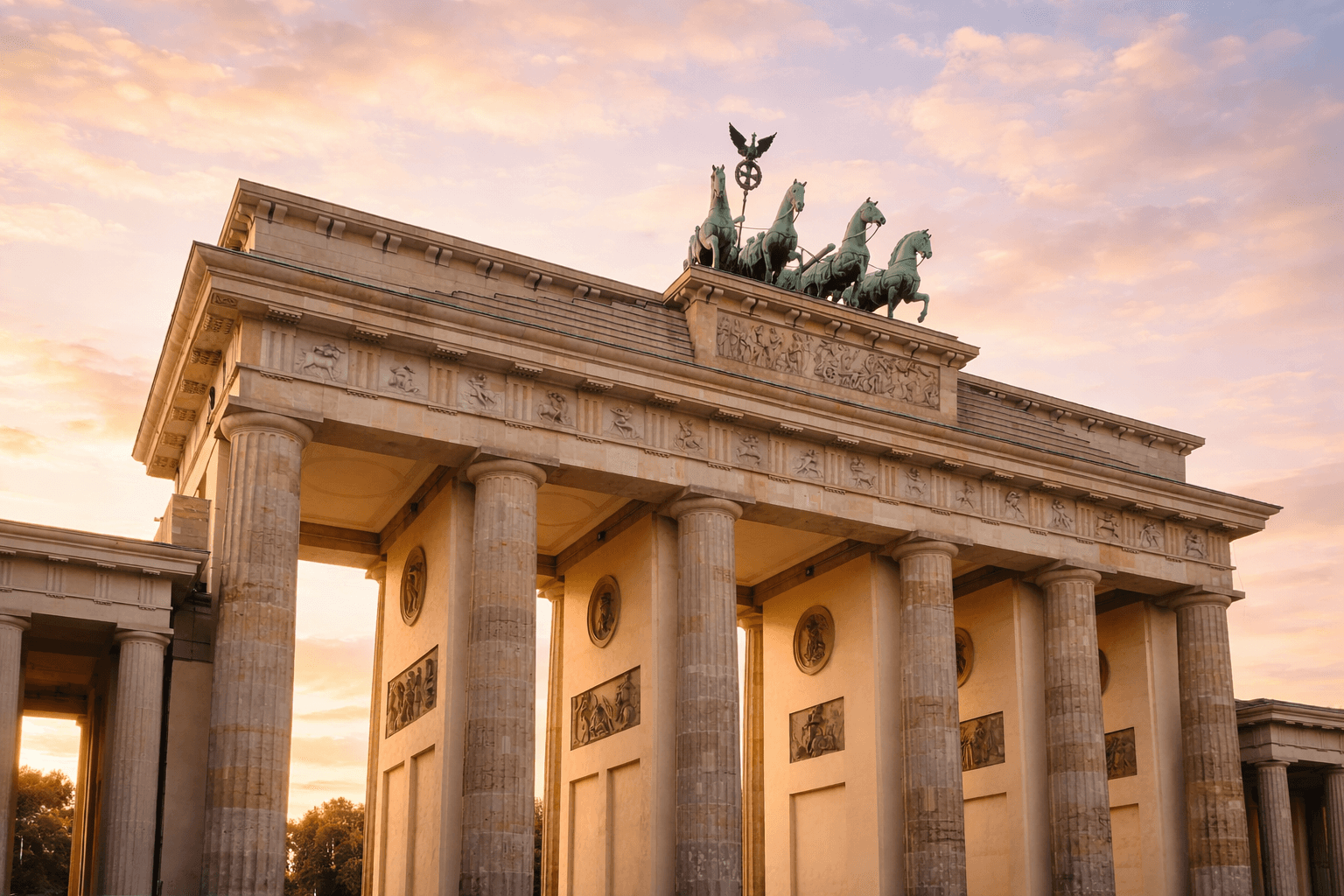
Berlin only feels ancient if you don't look too hard. Walk its streets and you're moving through a palimpsest where most of the original text got burned off in 1945 and rewritten since by four or five different hands, none of them working from the same draft. Medieval alleys, merchant houses, nineteenth-century boulevards: gone, almost all of it, and what stands now is reconstruction, guesswork, GDR concrete, and a few honest gaps nobody bothered to fill. Berlin remembers the way someone remembers a dream an hour after waking, in pieces, with confidence about details that probably aren't right.
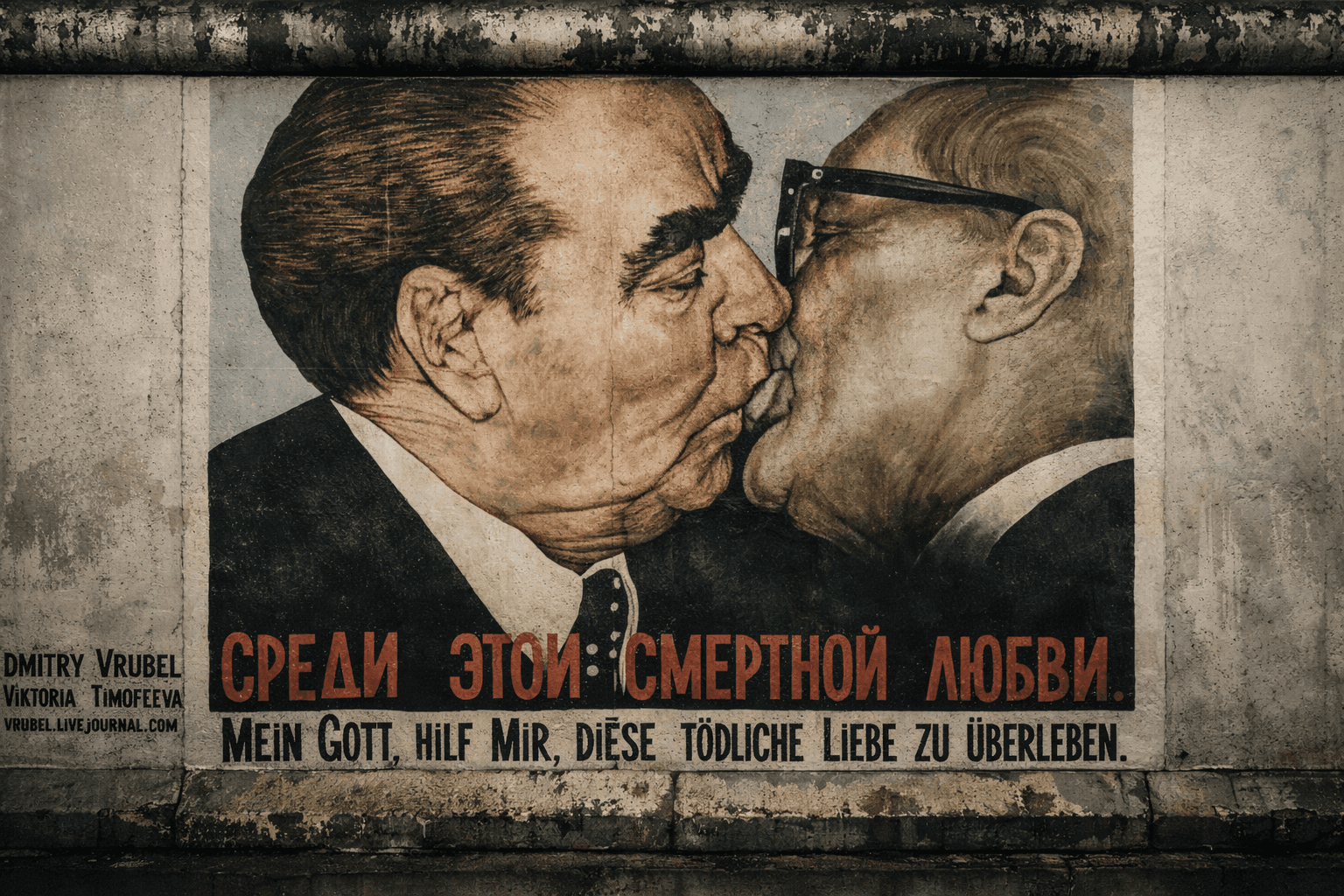
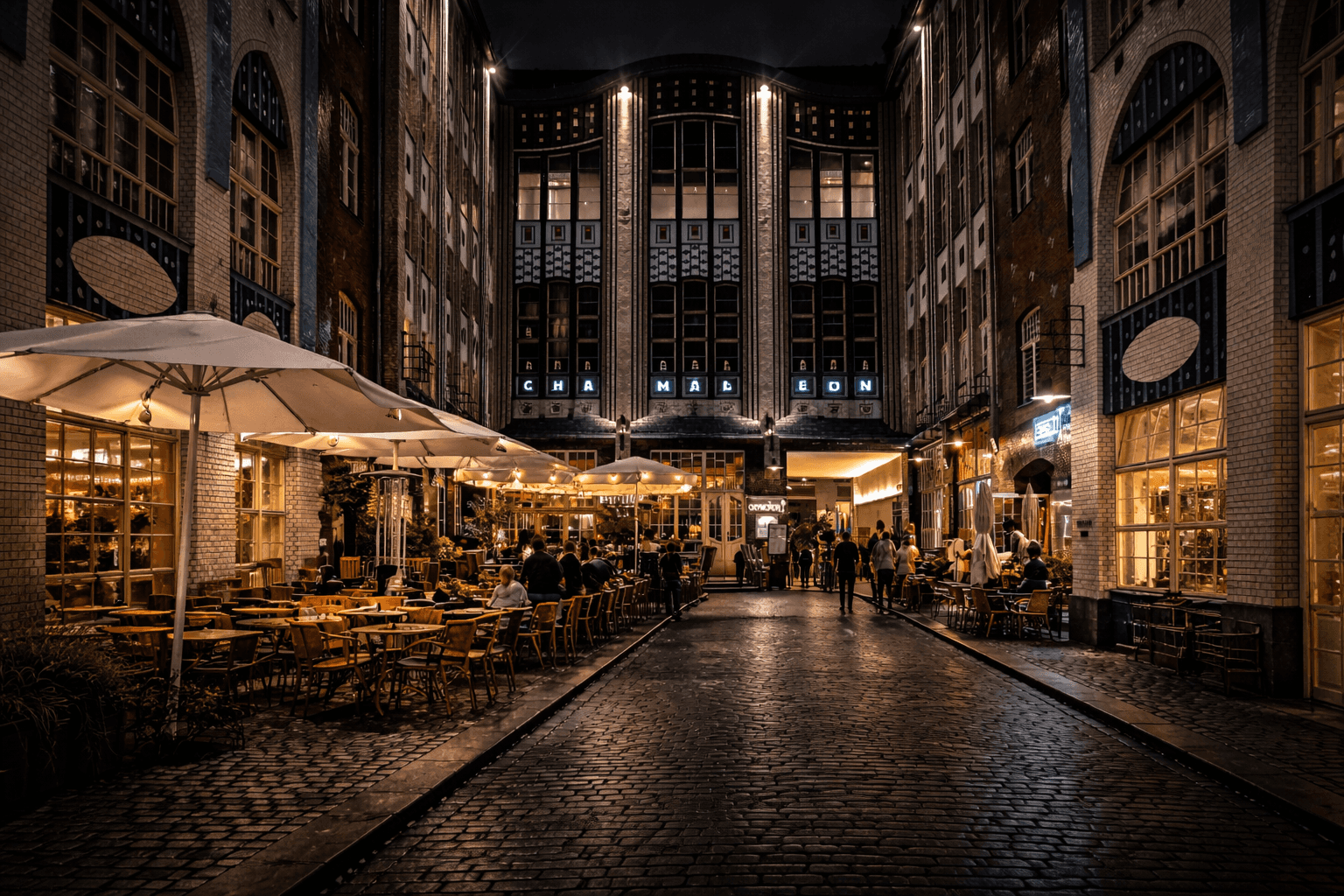
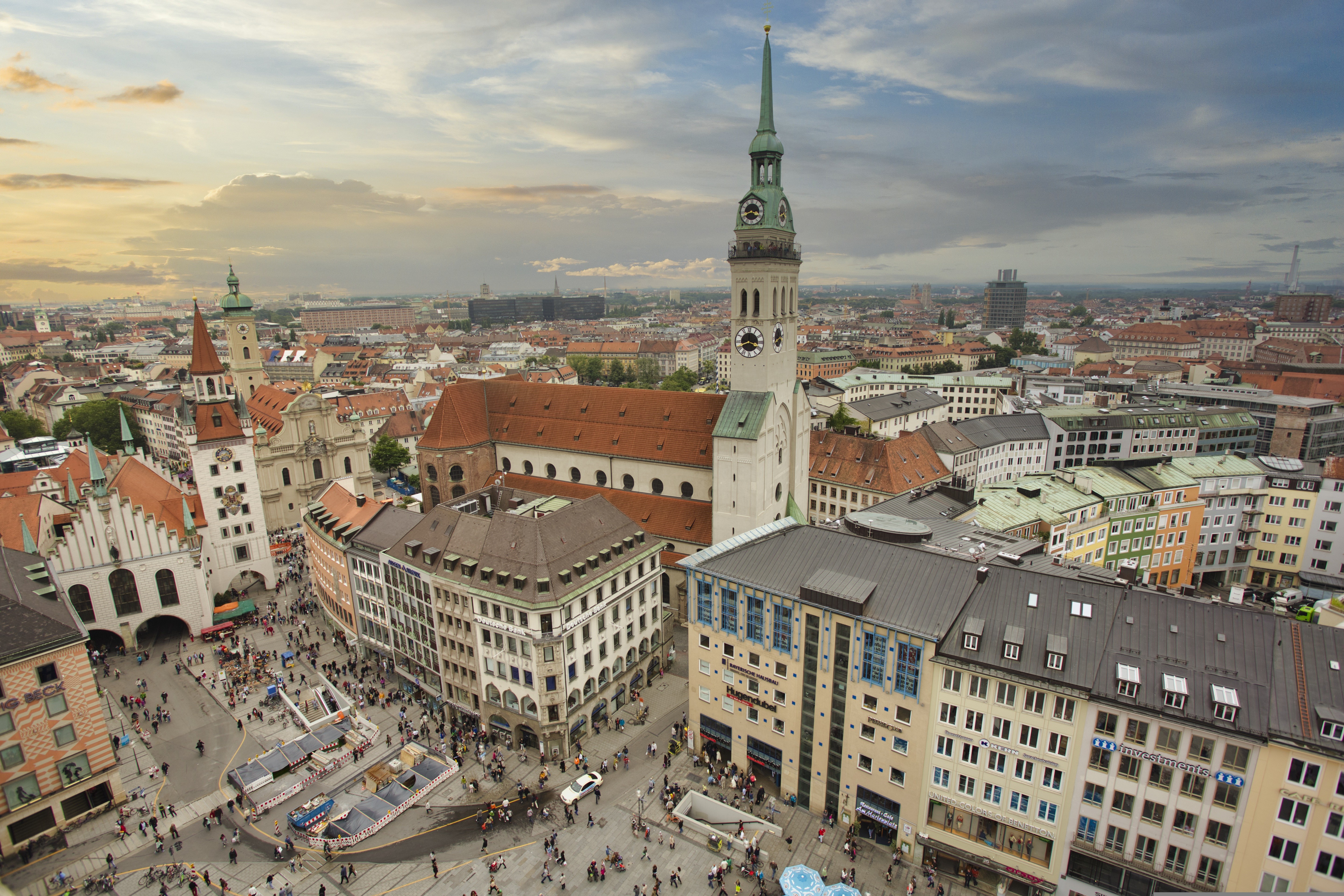
Munich does the same thing with better manners. The Altstadt looks correct in a way that should be a compliment and isn't quite one: pastel façades, carved balconies, a skyline of church towers that seems to have simply survived. Most of it was rebuilt stone by stone after the war from archival photographs, which is either an act of devotion or an elaborate forgery, depending on how strict you want to be about the word original.
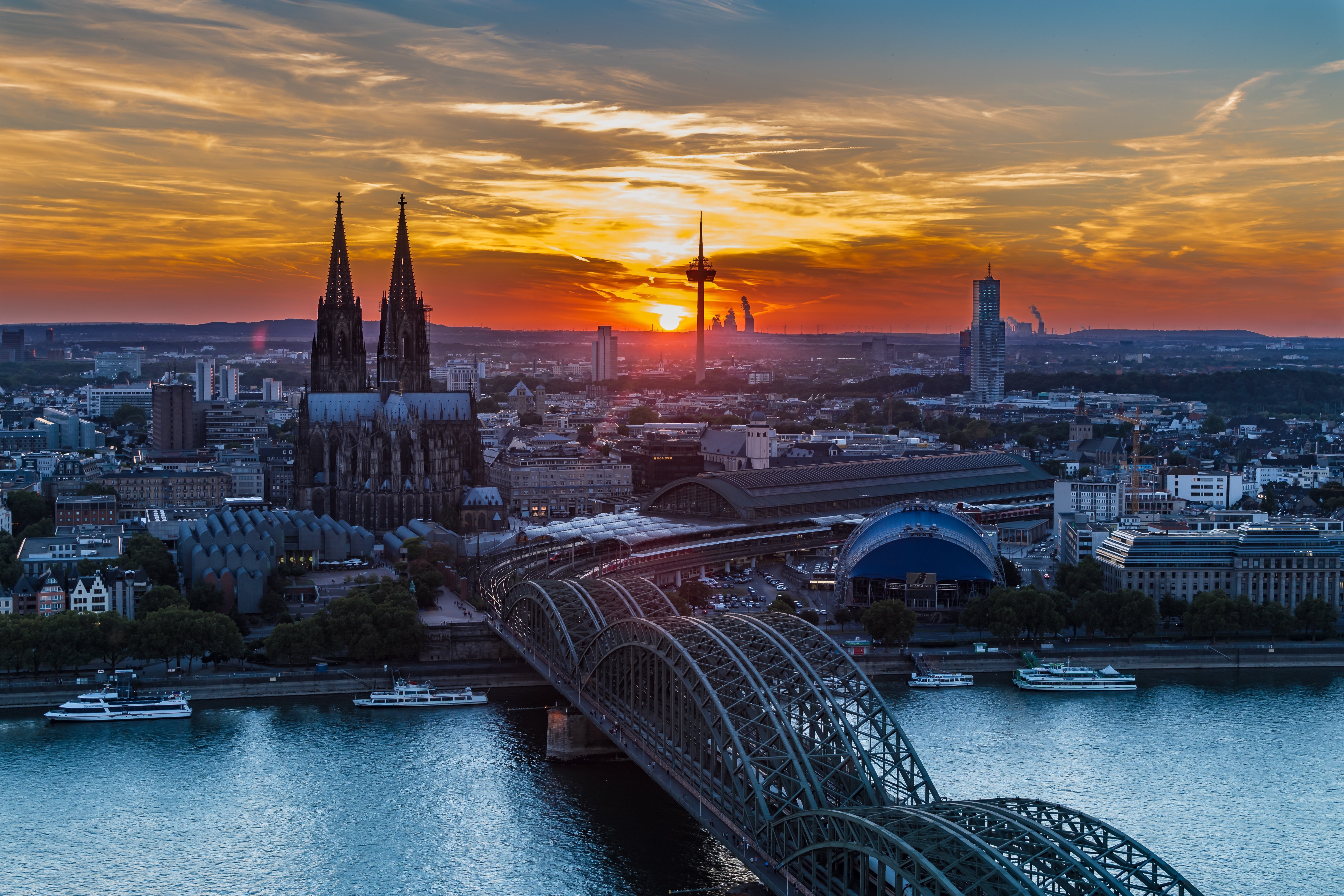
Cologne solved the same problem differently. The cathedral survived the war more or less intact and the city around it didn't, so what you get now is one Gothic giant standing in a young, practical, postwar landscape that was never asked to compete with it.
None of these cities are lying to you, exactly. They're showing you the Germany that had no choice but to be rebuilt, and mistaking that for the whole country is the single most common mistake a visitor makes here.
The other Germany starts where the motorway signs stop mattering.
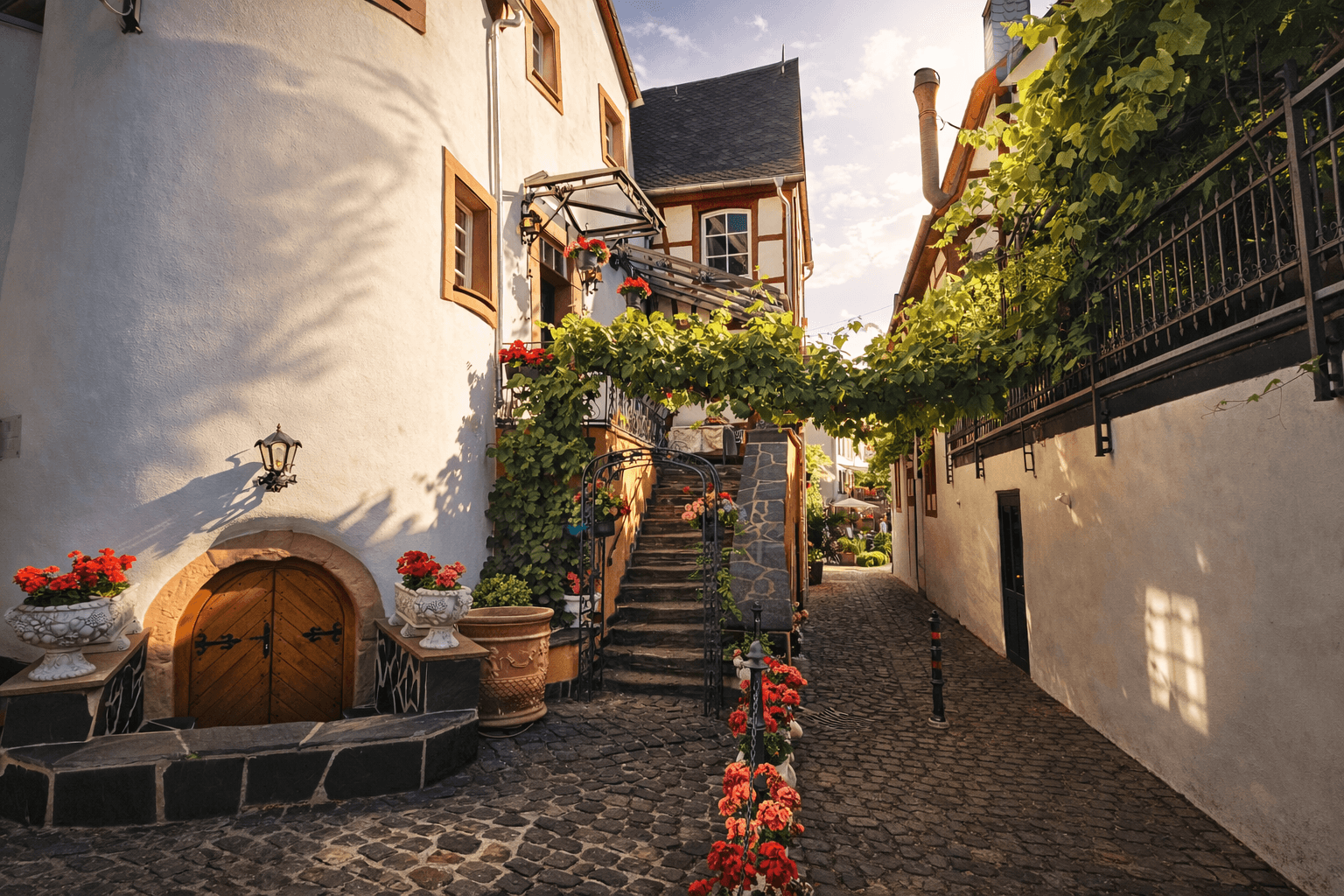
Follow the Moselle instead of the A1 and the traffic thins out before you notice it happening. Vines start climbing slopes at angles that look structurally unreasonable. Bernkastel-Kues, Traben-Trarbach, Cochem, a village called Beilstein that most Germans haven't even heard of: the timber-framed houses here lean into crooked lanes because they're actually four and five hundred years old, with wine cellars underneath that go back further than the houses above them. Some of the vineyards have belonged to the same family for ten or twelve generations, a detail so ordinary to the people living there that nobody thinks to mention it to visitors.
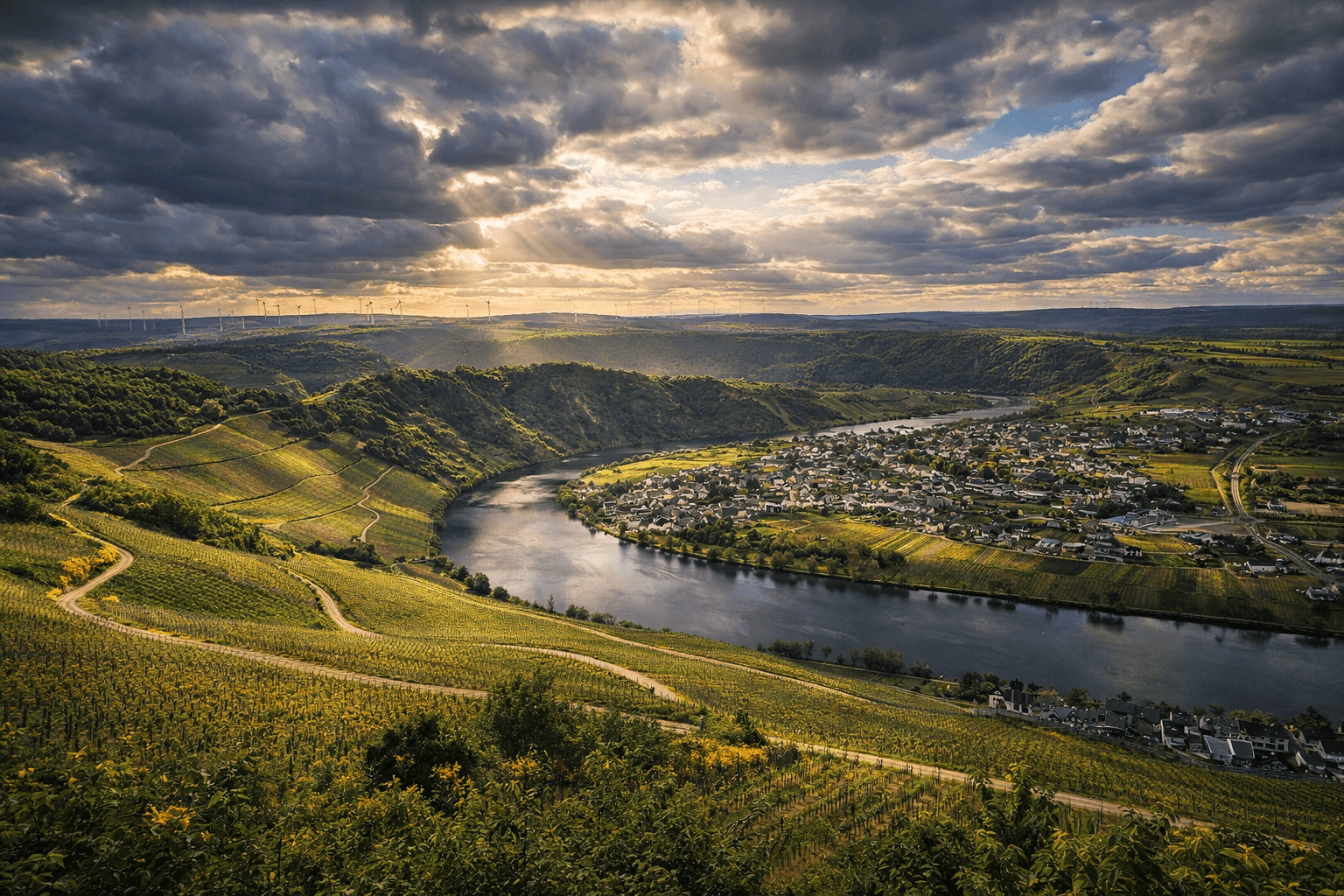
The Moselle isn't performing for you. It's mostly indifferent to whether you're there at all, which is a strange thing to find reassuring, but it is.
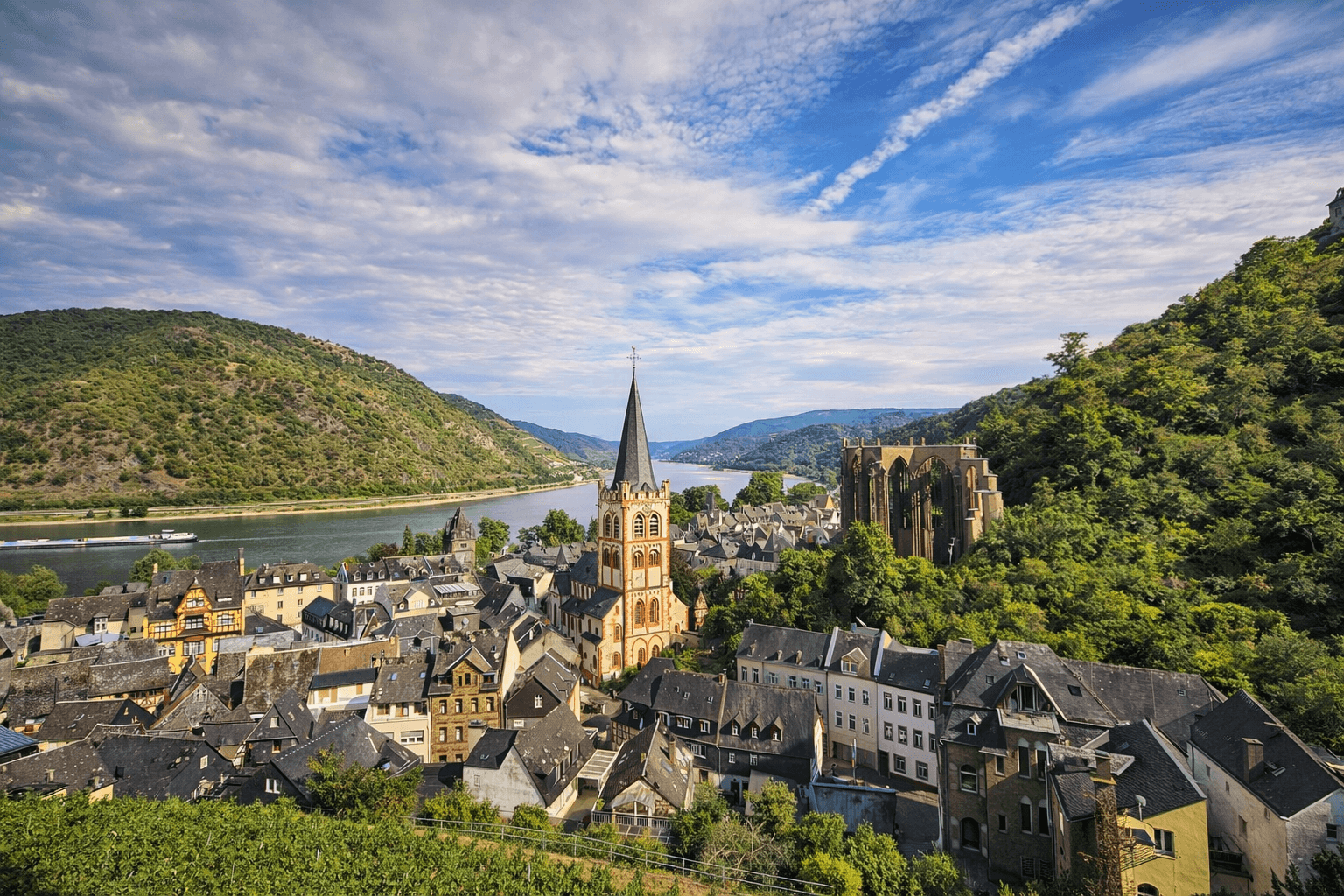
Further north the Rhine does something almost implausible on a stretch of river barely sixty kilometers long: more than forty castles, real ones, with real sieges and real toll disputes behind them, not follies built later by someone with money and a taste for medievalism. Marksburg never fell, not once, in eight hundred years of everyone else's castles falling around it. Pfalzgrafenstein sits on its own island like a small stone ship, and for over five hundred years it did exactly the job it was built for: making river traffic pay to pass, until the tolls stopped in 1867 and the castle became a museum of its own former job. Rheinfels is a ruin now, and a big one, spread across an entire hillside, and standing inside it does more to explain how many wars were fought over this stretch of river than any museum plaque could.
The towns along this stretch, Bacharach, Boppard, St Goar, aren't old towns in the curated sense the word usually implies now. They're just towns that have been old for a very long time and never got the memo to stop.
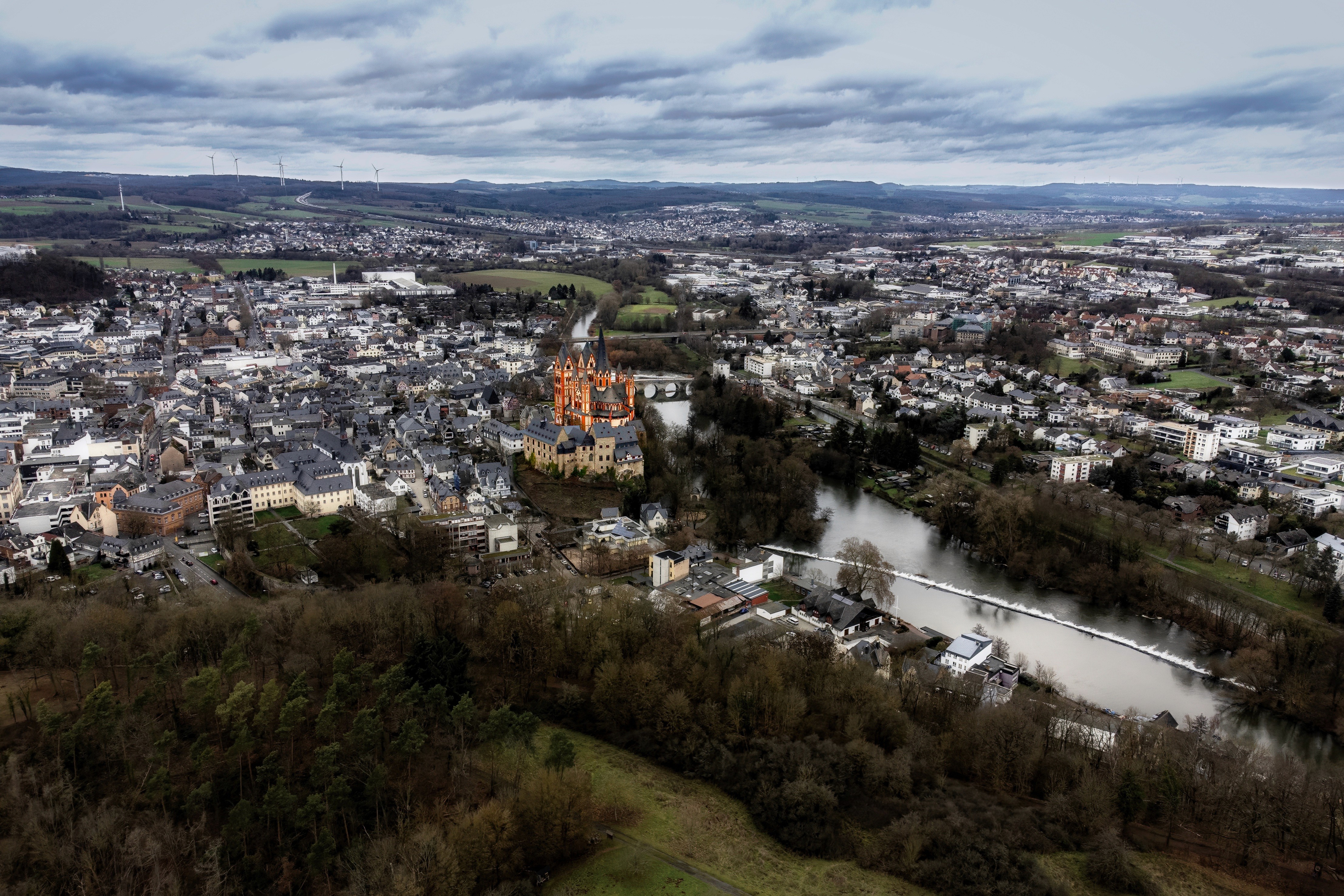
Move east into Hesse and the tone shifts again. Limburg's cathedral rises over a jumble of half-timbered houses in a way that looks almost accidental, like nobody planned the view and it turned out well anyway. Marburg, steep-laned, castle-topped, is the kind of town that looks built for a Grimm story, which tracks, since the Brothers Grimm actually studied there. Wetzlar still carries itself like the precision-instrument town it was, the place where the first Leica came off a workbench.
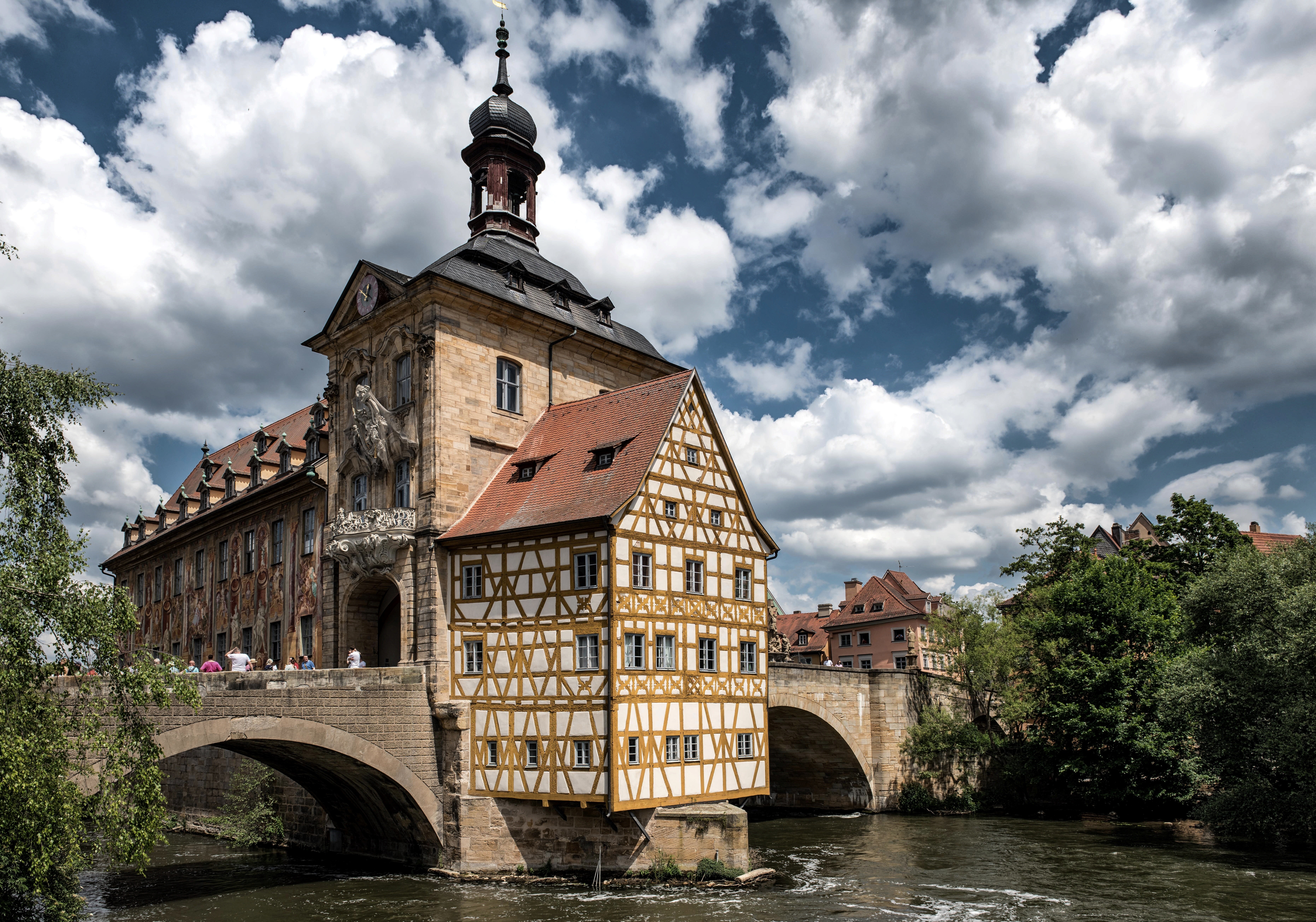
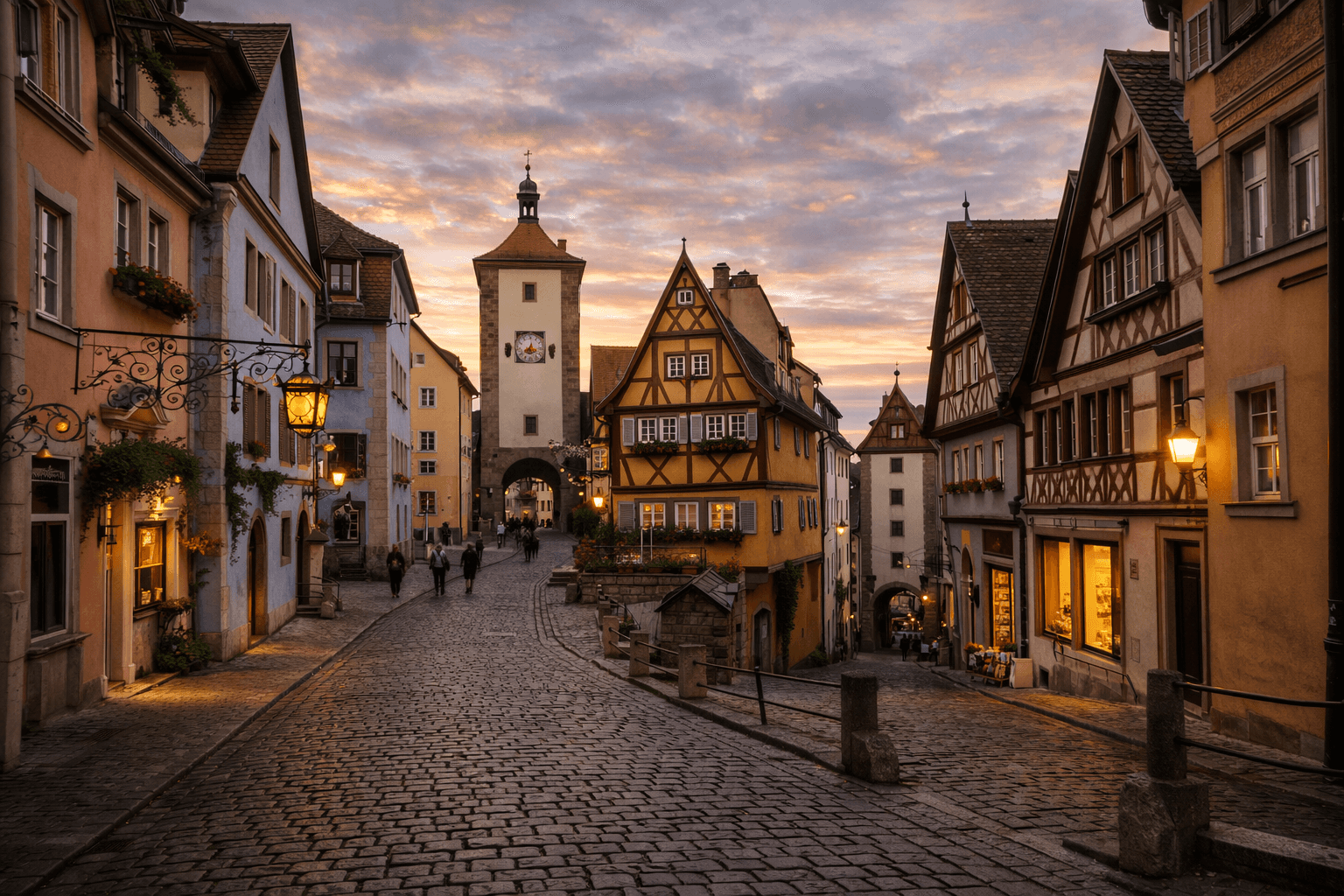
Go south and the register softens further. Rothenburg ob der Tauber gets called the best-preserved medieval town in the country so often that the phrase has started to do more work than the town itself, though it happens to be true. Bamberg spreads across seven hills with an ease that owes something to Italy and something to Germany, and doesn't seem bothered by the mix. Meersburg watches the Bodensee from its castle with the kind of patience that comes from not having anywhere else to be.
On the Baltic coast, Lübeck, Wismar, and Stralsund keep the red-brick skeleton of the Hanseatic trading empire standing more or less where it was left. Nothing here is a replica. In Lübeck the history isn't something you visit. It's the ground floor you're already standing on.
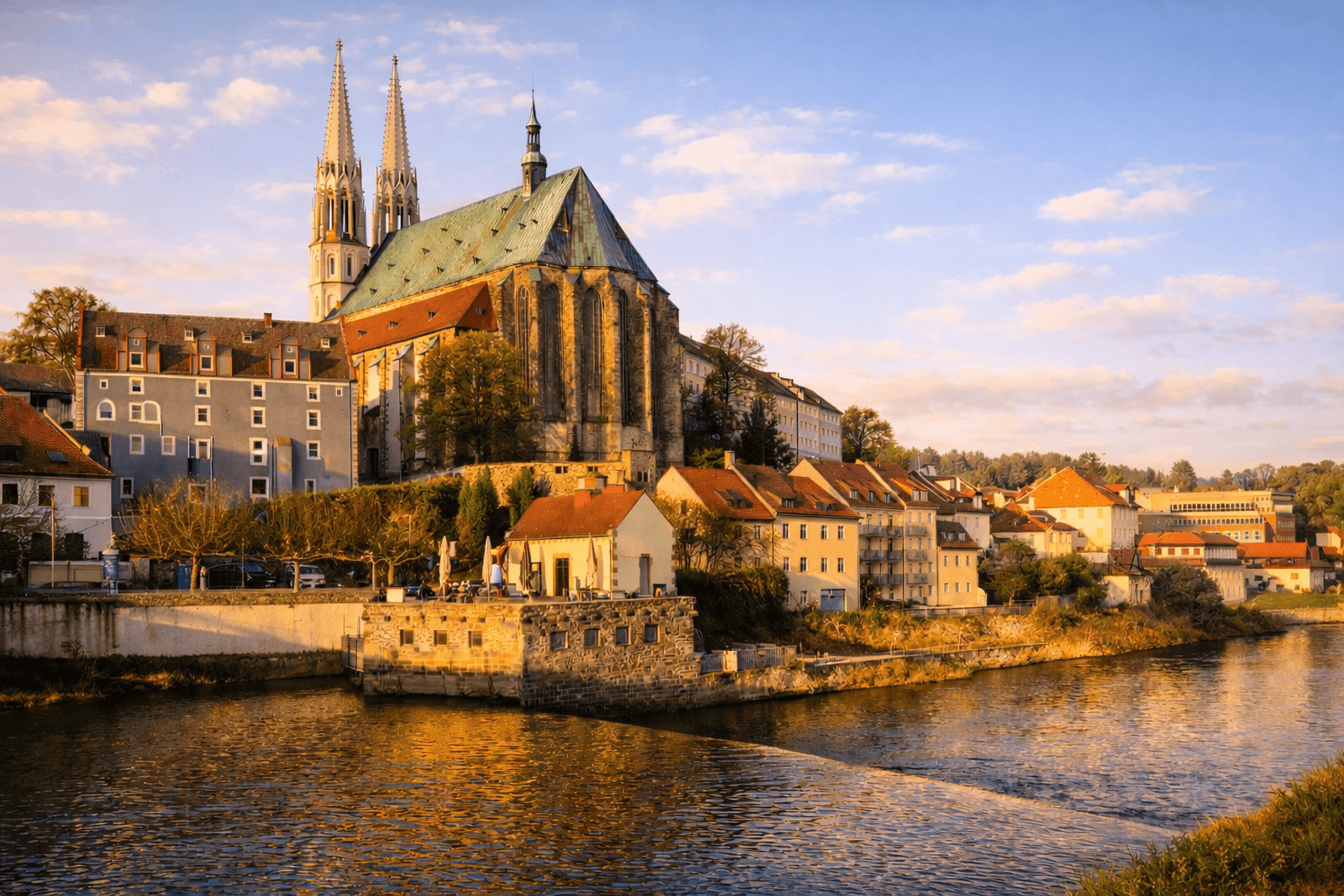
Görlitz, out in the far east, is intact enough that film crews use it as a ready-made set whenever a script calls for a European city untouched by the twentieth century. Four thousand listed buildings, which is either the most honest statistic in this whole piece or the strangest one, depending on how you feel about a city that got preserved partly by being forgotten.
Here's the detail that complicates the tidy version of this story. Görlitz wasn't spared because anyone decided to protect it. It survived mostly because it stopped mattering economically after the war split it in two, half German, half Polish, and nobody had the money or the motive to touch what was left standing. Preservation, in this one case, looks a great deal like neglect that happened to work out.
That's really the whole shape of the country, once you've seen both halves of it. One Germany got rebuilt because the war left it no choice: carefully, sometimes idealistically, sometimes just fast. The other Germany never needed rebuilding, not because it was cherished more, but because history simply passed it by at the right moment, or the wrong one, depending on who you ask.
Most visitors only meet the first Germany. They leave with a country that's efficient, orderly, and about eighty years old in its bones, no matter how much older the street plan underneath it happens to be.
The second Germany doesn't advertise itself, and it isn't waiting to be discovered so much as it's simply still there, going about its own business in wine towns and river valleys that never got asked to perform for anyone.
I'm not sure preserved is even the right word for what happened to the Moselle, or to Görlitz. Preserved implies intention. What actually happened, in most of these places, is closer to the country forgetting to interrupt itself.
Comments
About Me

The Atlas Aura
Welcome to The Atlas Aura – I’m Antares, the storyteller behind the journey. Alongside my husband and our little son, we explore the world together, turning everyday moments into lasting memories. With a deep passion for uncovering hidden corners of the world, we craft cinematic travel experiences that blend culture, authenticity, and wonder.
Read More
With its maze-like alleys, the market offers everything from spices, perfumes, and textiles to handicrafts and live animals.
Update on 13 Nov 2023

Osaka, Japan’s vibrant second-largest city, is a perfect blend of modernity, history, culture, and entertainment. From impressive skyscrapers and futuristic shopping malls to tranquil temples and bustling street markets, the city offers a diverse range of experiences.
Update on 13 Dec 2023

Valletta, Malta’s capital city, is a UNESCO World Heritage site rich in history, stunning architecture, and charming streets.
Update on 19 Dec 2023